Why retail bakeware has to match the shop floor rhythm
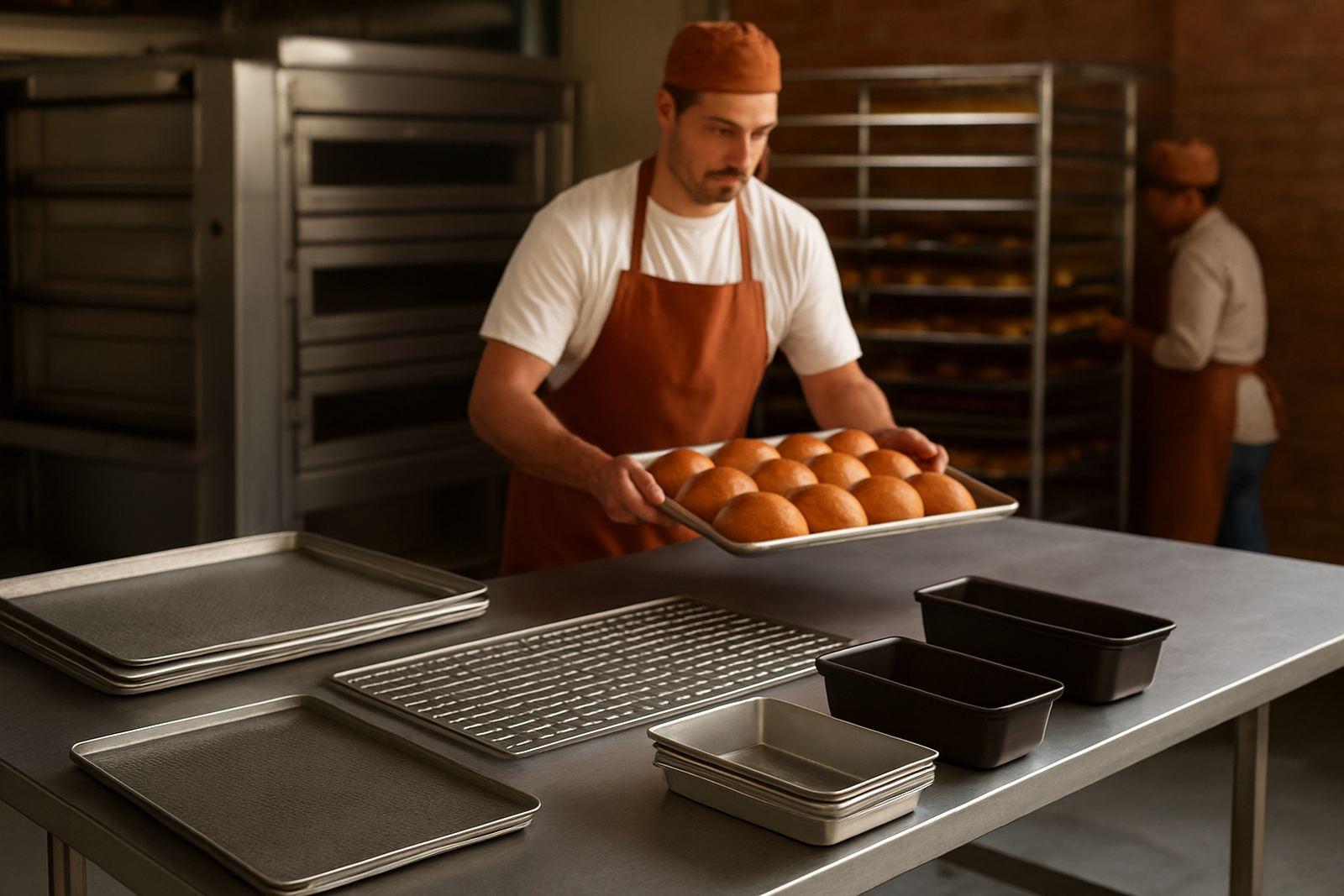
A retail bakery works in bursts. Early morning trays are needed for bread, rolls and pies, then later runs may switch to cake slabs, savouries or specialty loaves. That means the bakeware has to handle fast loading, fast cooling and a fair amount of handling by different staff through the day.
If pans are too heavy they slow the team down. If they are too thin they warp, twist or lose shape after a few hot cycles. In a store setting, one bent tray can knock a whole oven load off line and create uneven colour at the front counter. The aim is not just to bake product, it is to keep the flow smooth between mixing, proving, baking, packing and display.
In KwaZulu-Natal, humidity and coastal air also change the picture. Steel stored in a damp room can rust quicker, and that creates rough surfaces that catch dough or make cleaning harder. A bakery in Durban central or near Pinetown industrial areas often needs bakeware that is kept clean, dry and checked regularly, not only replaced when it fails completely.
The baking run starts with the right pan size and tray layout
Retail stores usually do best with bakeware that suits the oven and the sales mix. Standard sizes help staff move quickly because trays stack properly, prove evenly and go back into the oven without fiddling around. Custom sizes are worth it where the store has a special product line or a particular oven layout that wastes space.
- Bread pans for daily loaves and sandwich loaves
- Small trays for rolls, savouries and snack items
- Custom trays for cakes, buns, flapjacks or speciality baked goods
- Floor tiles for oven decks where direct heat and even base colour matter
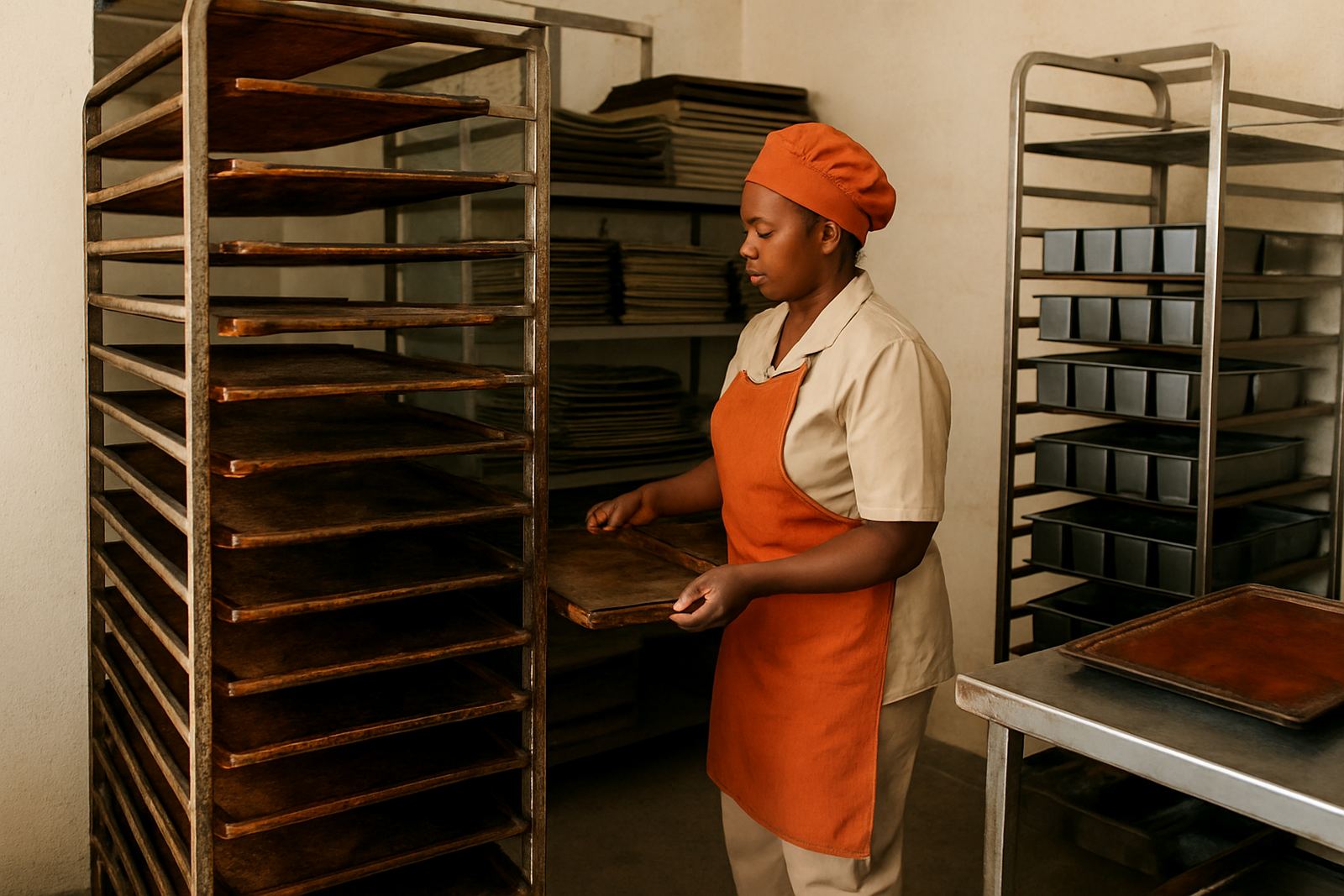
For retail bakeries, the layout matters just as much as the item itself. A tray that is easy to grip from the side saves time at every transfer. A pan that stacks neatly makes the morning load-out cleaner and safer. If staff are moving quickly during a school rush or weekend trade, those small gains add up across the day.
Why steel floor tiles still matter in busy store bakeries
Some retail bakeries rely on steel oven floor tiles because they help spread heat in a more even way across the baking surface. That can matter when the product needs a steady base colour, especially on bread and larger baked items. Bakerite has supplied the original Bakerite steel floor tile for many years, and the main reason shops keep using it is simple: it helps keep the oven predictable.
When a store bakery runs several short batches, predictability matters more than anything. Staff should know how the first rack will behave, then repeat that result on the next load. If the floor is uneven, one side may colour quicker while the other stays pale. That leads to extra checking, extra turning and more wasted product.
A well fitted floor tile also helps with cleaning and wear. In a busy retail environment crumbs, sugar and pastry scraps build up fast. Once the floor is damaged or pitted, cleaning gets harder and the oven can lose consistency. A proper inspection schedule saves time and gives the team a cleaner working area.
Short-run production needs serviceable bakeware, not just new bakeware
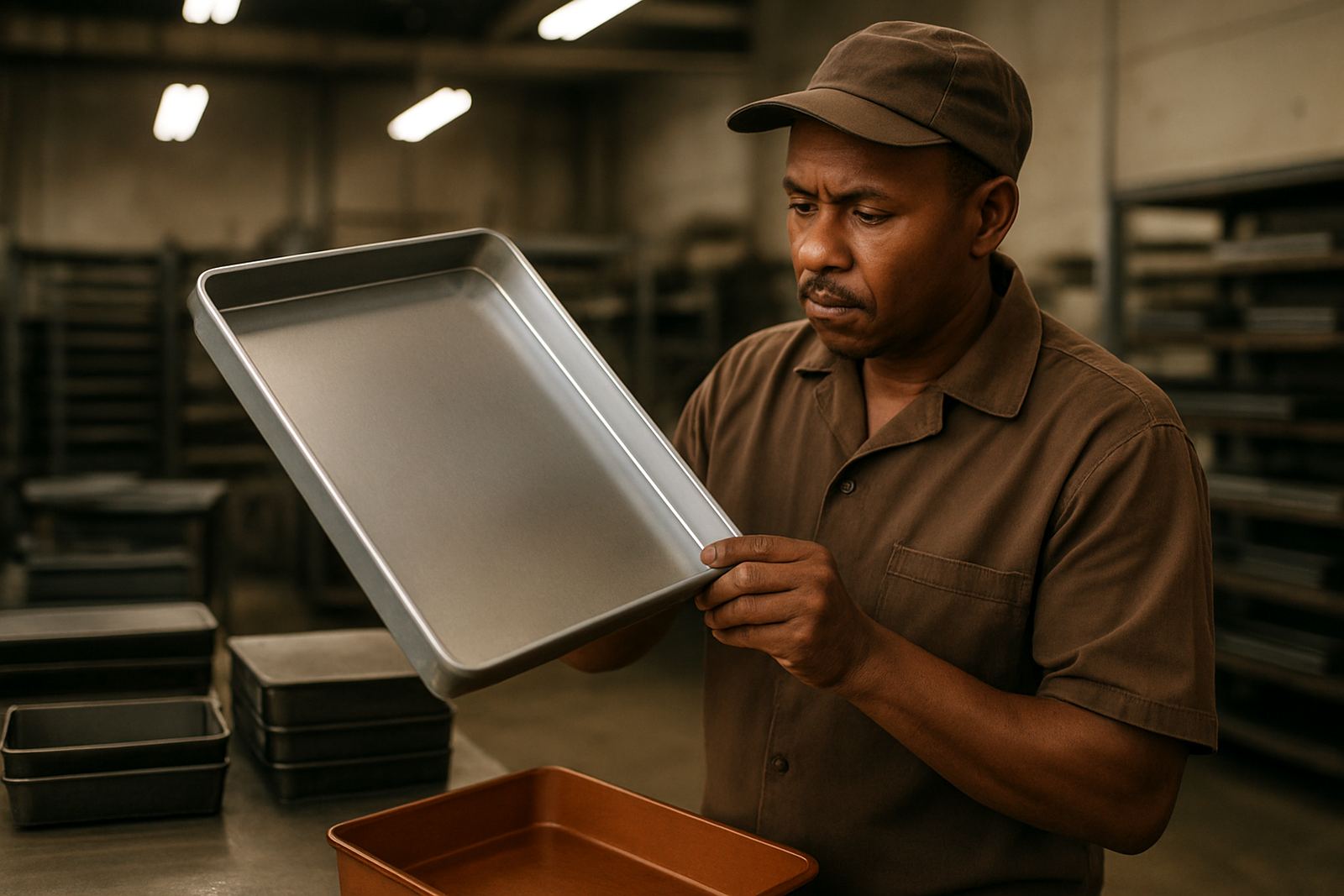
Many stores do not need a full replacement every time there is a problem. A tray with a bent corner or a pan with a split rim can often be repaired and put back into service. That is useful where the bakery is running on tight daily output and cannot wait weeks for a full changeover.
At Bakerite we work with pan recoating, tray recoating, pan straightening, corner repairs, rim repairs, lid repairs, weld repairs, fleet assessment, deep cleaning and spare lids. Those services matter because retail flow depends on keeping the kit in use for as long as possible, while still keeping it safe and presentable.
- Recoat surfaces that have become sticky or worn
- Straighten pans before they start throwing product off square
- Repair corners and rims to stop further cracking
- Deep clean baked-on residue that changes heat transfer
For store managers, repair work often keeps costs under control without interrupting trading. It also helps if the bakery needs to maintain a consistent look for customers. Old pans with rough patches can make product release uneven and that affects the display shelf, which is where the sales happen.
A local example from Pinetown to the retail shelf
A bakery in the Pinetown and Westmead area may start the day with bread for nearby shoppers, then move into pie trays and sliced loaves for lunchtime trade. The production team may have only a few hours to bake, cool and pack before the next delivery window. In that setting, every tray needs to be easy to clean, easy to stack and ready for the next run without delay.
If the same store is also dealing with load-shedding or uneven power supply, oven time becomes even more important. A tray that holds shape and a floor tile that keeps heat balance can reduce retries and improve batch consistency. That matters for supermarkets, hotel supply rooms and retail bakeries serving commuters between Pinetown, New Germany and the Upper Highway route.
When the bakeware fits the process, staff spend less time correcting problems and more time filling shelves. That is the real value in retail flow. It is not about having the most equipment, it is about having the right pieces in the right condition for the day’s sales pattern.
How to choose bakeware for a store that must keep moving
Before ordering or repairing bakeware, it helps to look at the actual daily rhythm of the bakery. Start with oven size, product mix and how many times trays move from proofing to baking to cooling. Then check whether staff are lifting pans by hand, using racks, or shifting stock through a back-of-house prep area with limited space.
A practical assessment should cover the following points:
- What products sell every day and what only runs on weekends
- Which pans or trays are getting bent, rusted or hard to clean
- Whether the oven floor is still giving an even bake across the full width
- How much storage space is available for spare stock and cleaned trays
- Whether repairs would solve the issue faster than replacement
For retail bakeries in Durban, Pinetown and across KZN, the best decision is usually the one that keeps production moving tomorrow morning. If a tray set can be repaired, straightened or recoated before the next week’s trade, that is often the smartest choice. If the oven floor needs attention, deal with it before the colour starts drifting and staff begin working around the problem.