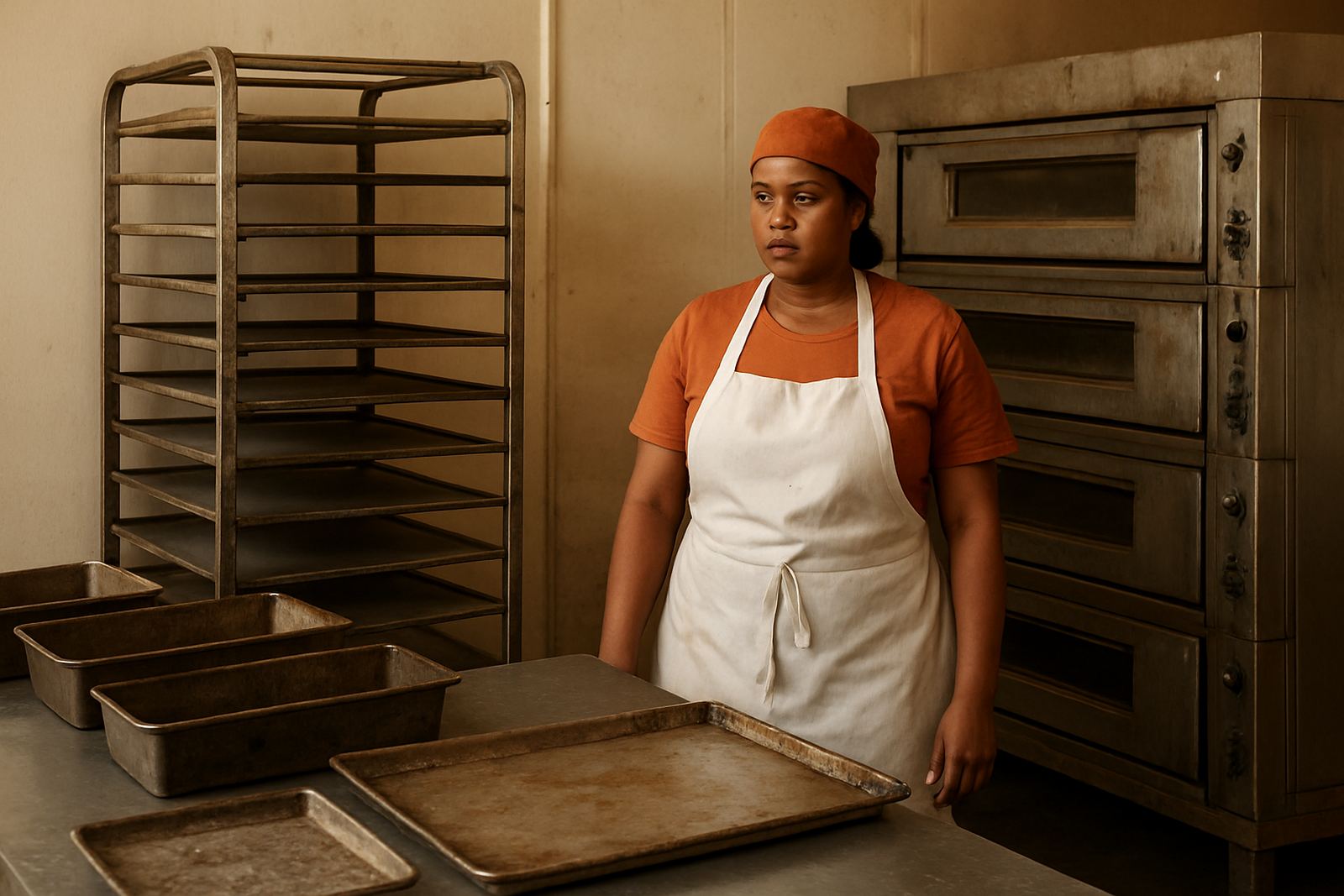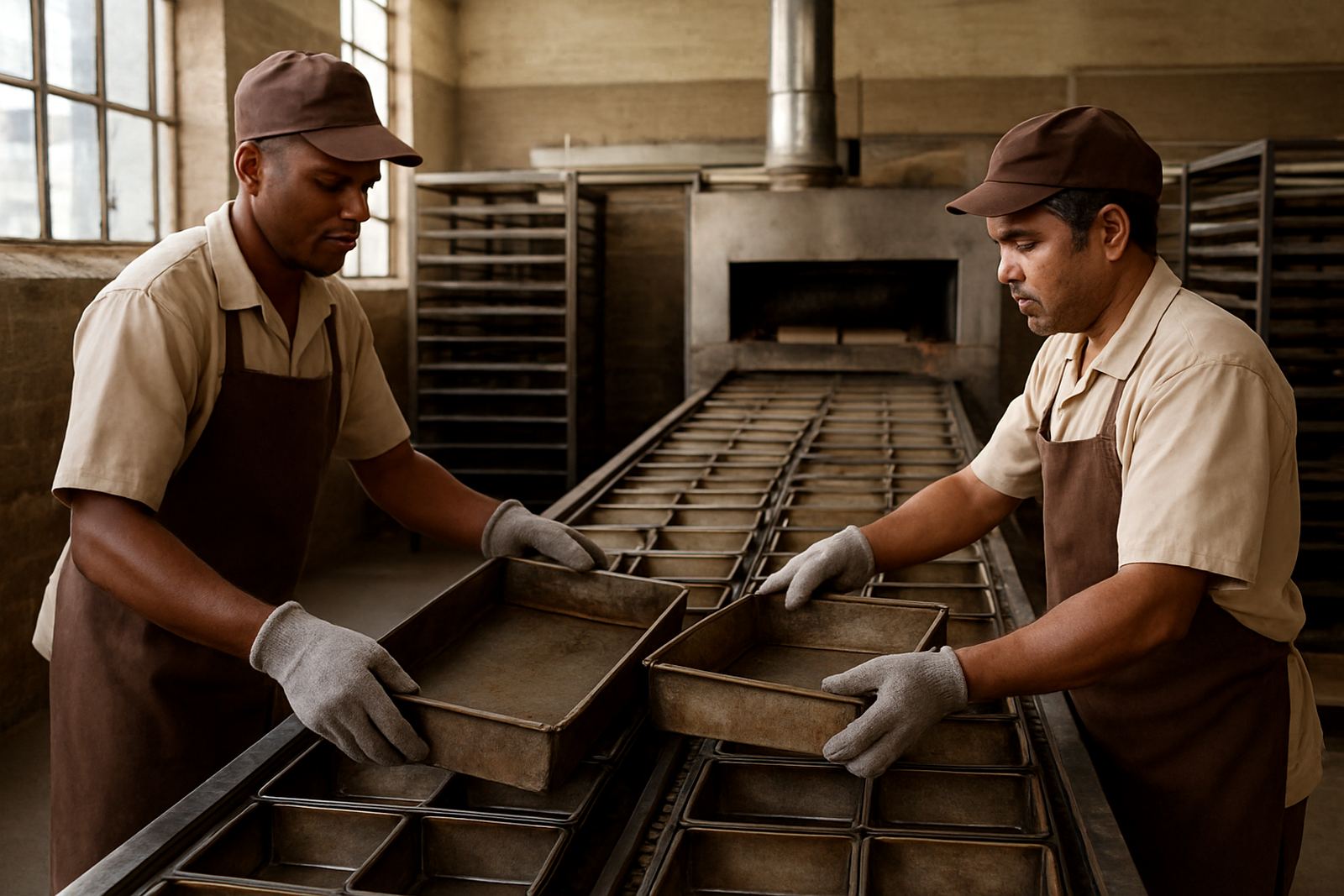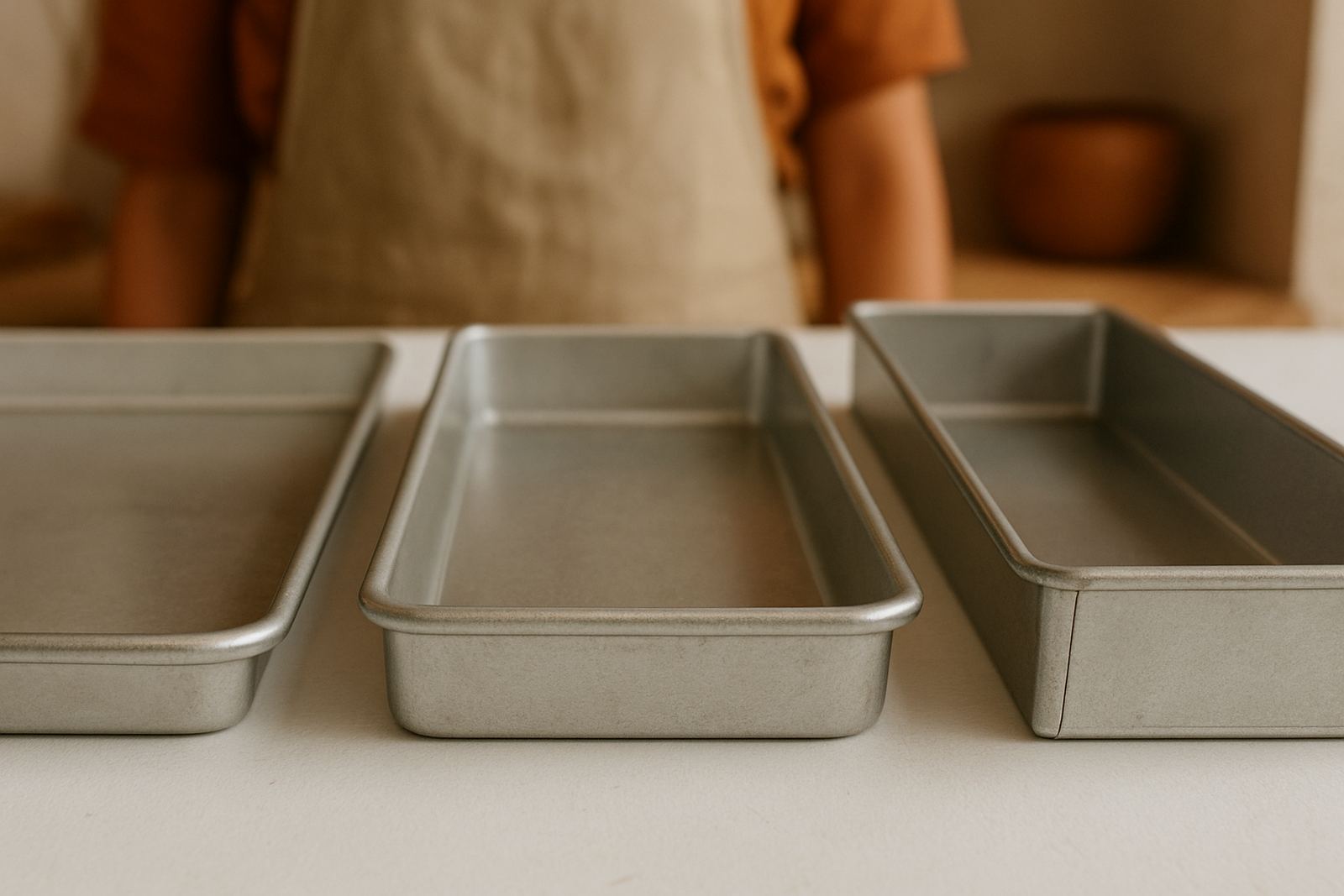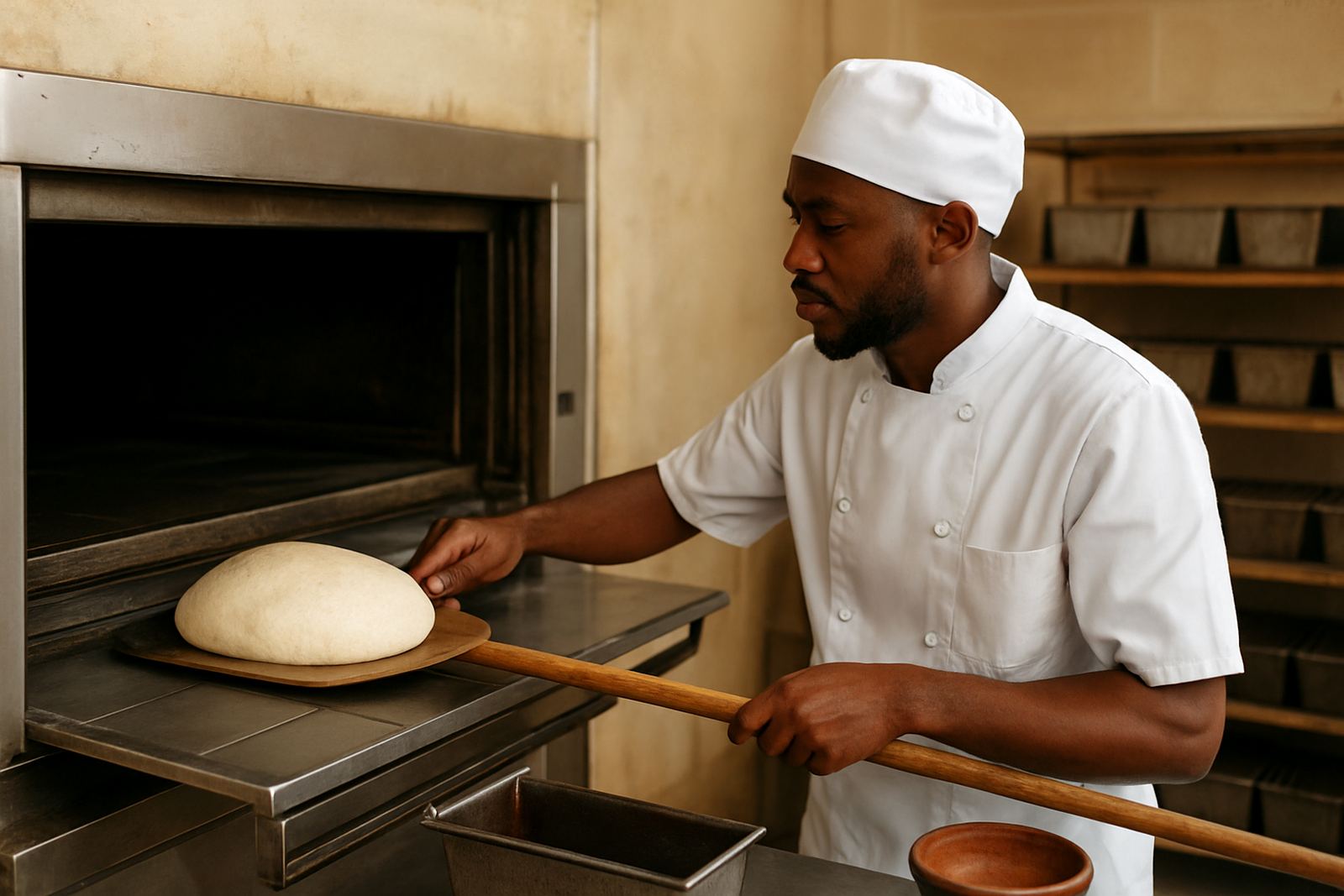
What a steel floor tile does in the oven
A steel floor tile sits in the oven chamber and acts as the baking surface for loaves, rolls and some speciality products. The tile stores heat and gives the dough a direct contact base, which helps the bottom set quickly and can improve oven spring if the oven is running at the right temperature.
In practice, that means less sticking, a cleaner base and more consistent colour on the bottom of the loaf. In a plant bakery in Westmead or a hotel kitchen on the Durban side, the aim is the same, steady heat and repeatable results across every batch.
Steel tiles are especially useful where the team needs speed and clean handling. They can take regular loading, but they only perform well if the oven deck is level, the heat is balanced and the tiles are not bowed or cracked.
How to prep the oven before the first loaf goes in
Before baking starts, the oven should be fully preheated. A tile that looks hot on the surface may still be uneven through the body, so give it proper time to stabilise. This matters even more during load-shedding recovery or after the oven has been opened for long periods during a rush.
Keep the oven floor clean and check for loose debris, old flour, bits of packaging or burnt residue. These can cause hot spots and mark the underside of the loaf. If the oven is in a coastal area, humidity can also leave damp residue that needs to be wiped off before baking begins.
- Check that the tiles sit flat and are not rocking
- Confirm the oven temperature is stable across the deck
- Remove ash, crumbs and old dough before loading
- Warm the oven long enough for the full tile thickness to heat through
- Keep a simple log of baking times for each product type
Loading bread so the base bakes properly
Direct-on-tile baking is not only about heat, it is also about how the product is loaded. Space between loaves lets heat move around the tray or deck, while overcrowding can trap steam and leave the bottom pale. For plant bakeries, the loading pattern should be the same from shift to shift, otherwise the results drift.
The dough should be set down gently and with enough dusting flour, if used, to prevent sticking. Too much flour can burn on the tile and leave a bitter smell. Too little and the loaf may tear when it is released. Small changes like that matter when you are producing thousands of loaves a day.
A simple rule is to match the loading pattern to the product size. Large pan loaves need more breathing room than rolls, and high-hydration doughs may need slightly different timing. If the oven door is opened too often, heat drops fast and the base can stay pale while the top colours first.
- Leave enough space for air movement around each loaf
- Do not drag dough across the tile surface
- Use the same loading order on every shift
- Watch for base colour, not just top colour
- Adjust bake time after power interruptions or long door openings
Why flat tiles and straight trays save product
When a tile or tray bends, even slightly, the loaf no longer sits evenly on the heat. That can lead to one side overbaking while the other stays soft. In a factory bakery, this shows up as uneven batches, more rejects and extra handling later on.
Straight, well-kept bakeware gives better contact with the oven floor and helps the team keep the process predictable. It also reduces the chance of corners lifting and warping during repeated heating and cooling cycles. A tray that is bent on one side can cause the loaf to lean, and that makes slicing and packing harder down the line.
Where there is heavy daily use, it is worth checking every tile and tray on a fixed schedule. In Pinetown, a plant may run through multiple heat cycles in a single day, so small damage can spread quickly if it is ignored.
Common signs that the bakeware needs attention include:
- Uneven browning on the underside
- Loaves sticking in the same corner every time
- Visible bowing, dents or twisted edges
- Cracked welds or loose joints
- Trays or lids that no longer close or sit square
Cleaning and handling after each run
Steel floor tiles should be cleaned while still warm enough to release residue, but not so hot that cleaning becomes unsafe. Harsh scraping can damage the surface and make future sticking worse. A steady routine keeps the tile usable for longer and helps the oven stay cleaner overall.
In coastal KZN, moisture and salt in the air can speed up surface wear if bakeware is left dirty after a shift. That means dough film, flour and oils should not be left sitting overnight. Once residue hardens it takes more effort to remove and can affect the next bake. A little discipline after each run saves time later, simple as that.
Handling matters too. Tiles and pans should be moved with proper support, not dropped onto a steel table or stacked badly in a store room. Heavy impact can cause corner damage, twist the frame and loosen welds. If the bakery uses trolleys, keep the wheels in good order so the load is not bouncing over every crack in the floor.
When repair makes more sense than replacement
Not every damaged tile or tray must be thrown out. Many units can be put back into service with straightening, corner repairs, rim repairs or weld repairs, provided the base structure is still sound. For bakeries that run to tight schedules, this can be a practical way to keep production moving while controlling cost.
It also helps when a plant uses older ovens that still perform well but need bakeware matched to the chamber size. A careful repair and a fleet assessment can show which items are worth keeping, which need recoating and which should be removed from service. That sort of check is especially useful before a busy period, such as school term starts or holiday trading.
For managers, the real value is consistency. If the team knows which trays are sound and which ones are due for attention, there is less guesswork during the shift and fewer last minute surprises when the oven is full.
A local example from a busy KZN plant bakery
A plant bakery in the Pinetown area may run early starts, long shifts and regular power interruptions. In that setting, the oven must recover quickly after a stop-start day and the bakeware has to hold shape through repeated heat cycles. Steel floor tiles help with that, but only if they are level, clean and checked often.
One common pattern is to rotate trays and tiles through service so the most worn items are identified before they fail in the oven. That keeps the line moving and reduces waste. It is also a practical way to manage a mixed fleet where some pieces are newer and others have already had repairs.
For bakeries, hotels and retailers supplying bread daily, tile baking is less about theory and more about routine. The team that watches heat, handles the bakeware carefully and keeps the oven floor in good condition will usually get better results, even when the day is busy and the weather is not helping.
That is why simple habits matter. A level tile, a clean deck and steady loading can make a bigger difference than most people expect.