Ballito Bakery Brief: More Trays for Holiday Peaks
The client was a retail bakery in Ballito serving daily trade, weekend rushes and sharp seasonal peaks over school holidays and the December period. The bakery needed more roll trays so the line could keep moving when order volumes jumped, especially for small rolls, buns and mixed bakery runs. They were looking for a supply partner who understood production timing, not just tray sizes.
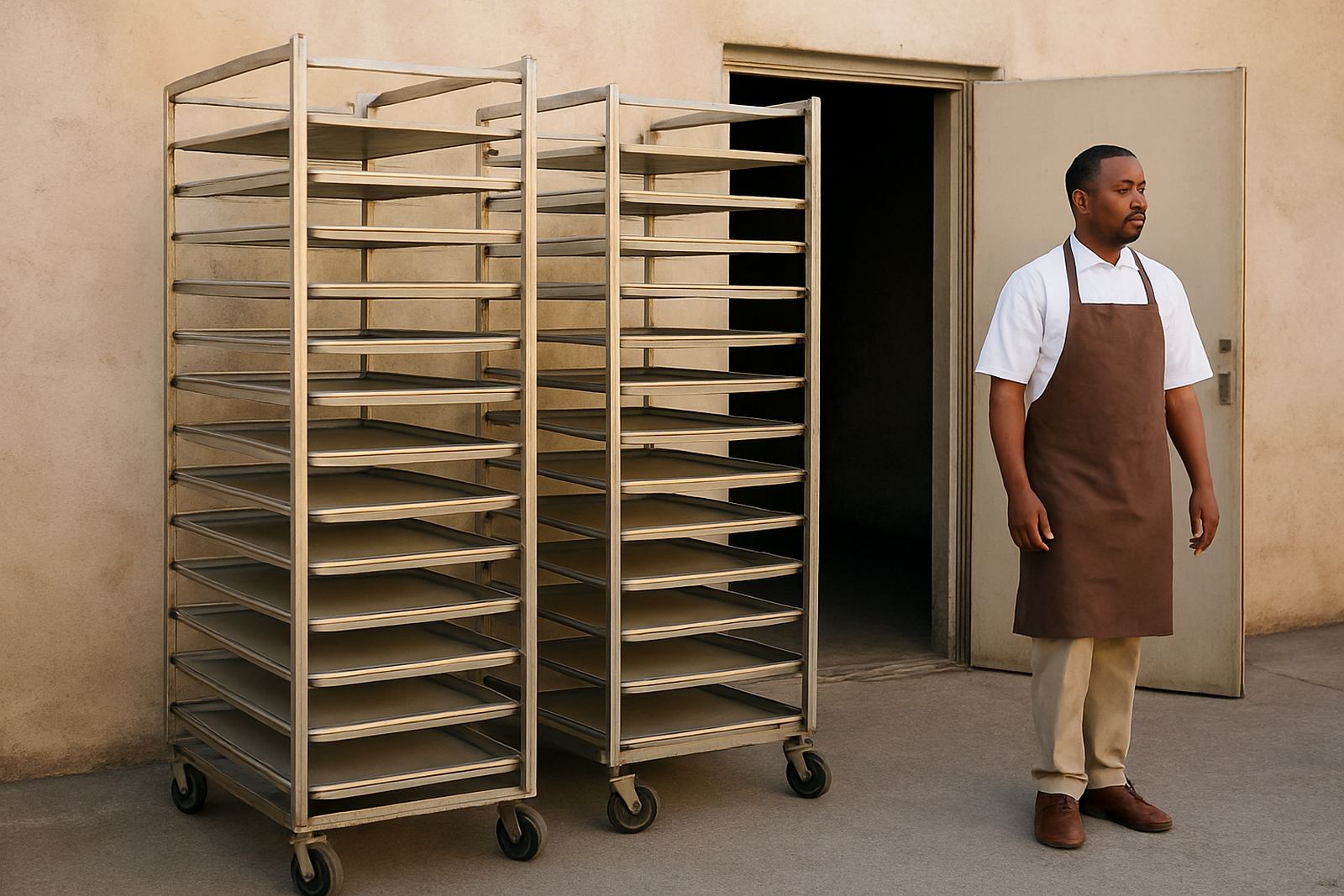
Our brief was straightforward but strict. The trays had to match existing racks and handling routines, fit standard bakery workflow, and be suitable for constant use in a busy plant. Because the site is close to the coast, the team also wanted trays that would stand up better to humidity, washing and daily handling without fast warping or surface breakdown.
- Client type: retail bakery with in-store and central production demand
- Town: Ballito, KwaZulu-Natal
- Product: custom roll trays for daily production and peak-season stock build-up
- Environment: warm coastal conditions with high humidity and frequent wash-downs
What the Plant Needed From the Trays
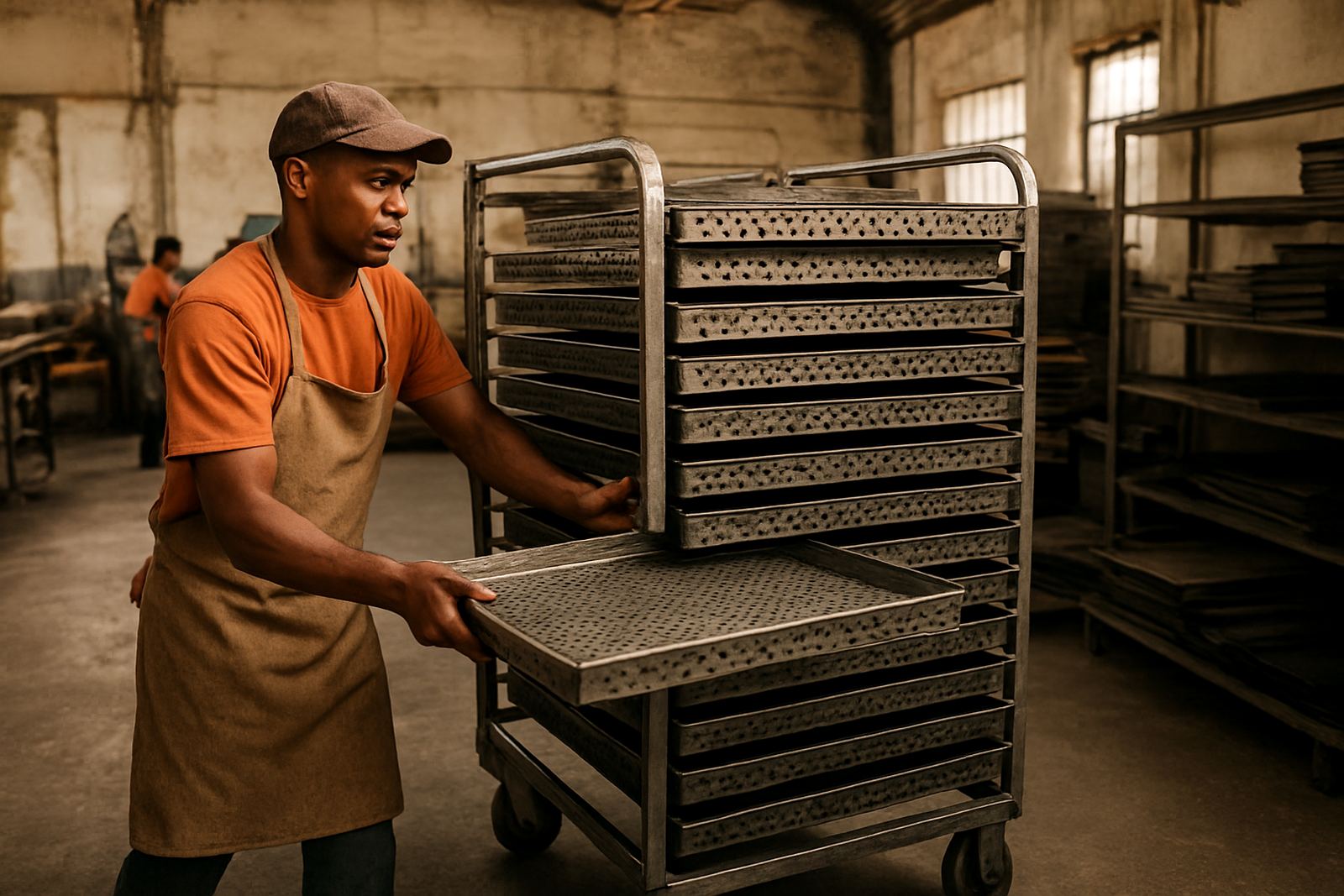
The bakery already had a working system, so the new trays had to slot in cleanly with what they were using on the floor. We checked tray depth, side profile, stacking clearance and how the trays moved from production to oven, then to cooling and dispatch. The biggest concern was keeping batch handling simple when the team was under pressure during peak periods.
We also had to take into account loading, unloading and the speed of cleaning between shifts. In a bakery environment, a tray that is even a few millimetres off can slow the line down. That means more manual adjustment, more wear on the trolley system and more delay when staff are already stretched.
- Fit existing bakery racks and trolleys without adjustments on site
- Keep tray weight practical for daily handling
- Allow efficient wash-down and drying between runs
- Support repeated use during school holiday and festive volume spikes
Steel Roll Tray Build and Key Specs
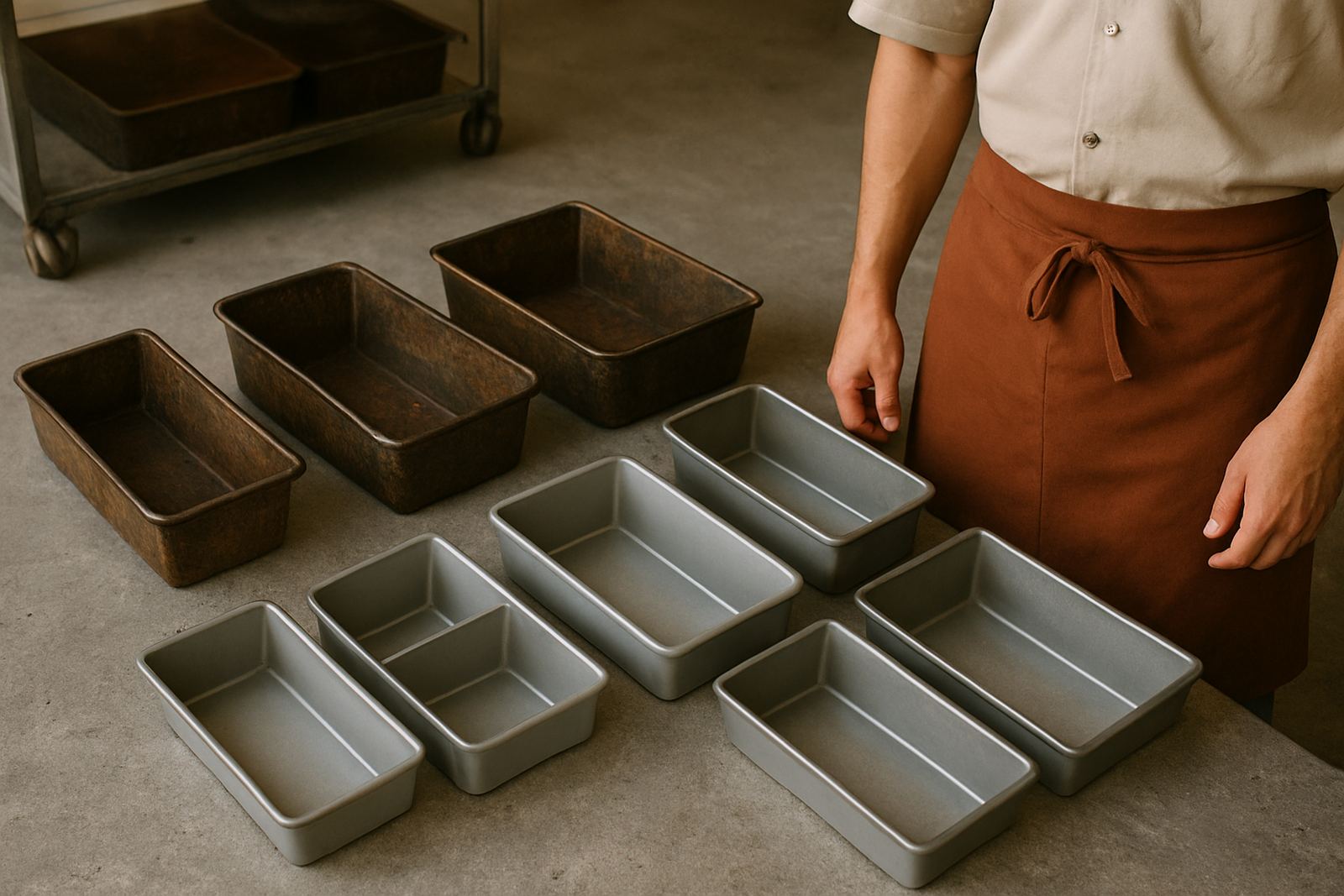
We supplied steel roll trays built for bakery production, with a simple form that is easy to handle, stack and clean. The build spec focused on practical use rather than fancy extras. For plant bakeries and retail back-up production, that usually means consistent sizing, strong edges and a finish that can be maintained over time.
The trays were made to suit standard roll production and were checked for straightness before dispatch. Where needed, we can also supply trays with custom dimensions so they work with a specific oven setup, racking pattern or bakery process. That matters in towns like Ballito where coastal air and frequent wash routines can shorten the life of lighter trays.
- Material: steel construction for repeated bakery use
- Use: roll production and mixed bakery handling
- Format: custom tray sizing to suit the client’s existing process
- Finish: production-ready, with clean edges and stackable profile
- Handling: designed for daily movement through bake, cool and dispatch areas
Production Timing in Weeks, Not Months
The job ran on a tight programme because the bakery needed extra tray capacity before the seasonal build-up started. From final measurements to delivery, the work was completed in a matter of weeks, not months. That helped the client add capacity before the busy trading period hit.
Because the site could not afford a long interruption, we planned the order in stages. Measurements were confirmed first, then fabrication, then a final check before dispatch. This approach kept the order moving and reduced the risk of delays caused by changing production demand or last-minute shifts in the bakery schedule.
- Week 1: site requirements confirmed and tray specifications finalised
- Weeks 2 to 3: fabrication and fit checks completed
- Week 4: final inspection, packing and delivery prep
- Total turnaround: 4 weeks from confirmation to supply
What Changed Once the New Trays Went In
Once the trays were in use, the bakery had more breathing room during peak periods. The production team could build stock ahead of busy days without juggling tray shortages, and the line ran with fewer interruptions. That made a noticeable difference during high-volume trading weeks.
The other gain was consistency. When trays match the rest of the bakery system, staff spend less time checking fit and more time baking. For a retail bakery, that means better use of labour, fewer handling issues and less wear on equipment. It also makes cleaning simpler, which is important when the team is working through more than one shift a day.
- More tray capacity ahead of peak demand
- Less line stoppage caused by tray rotation problems
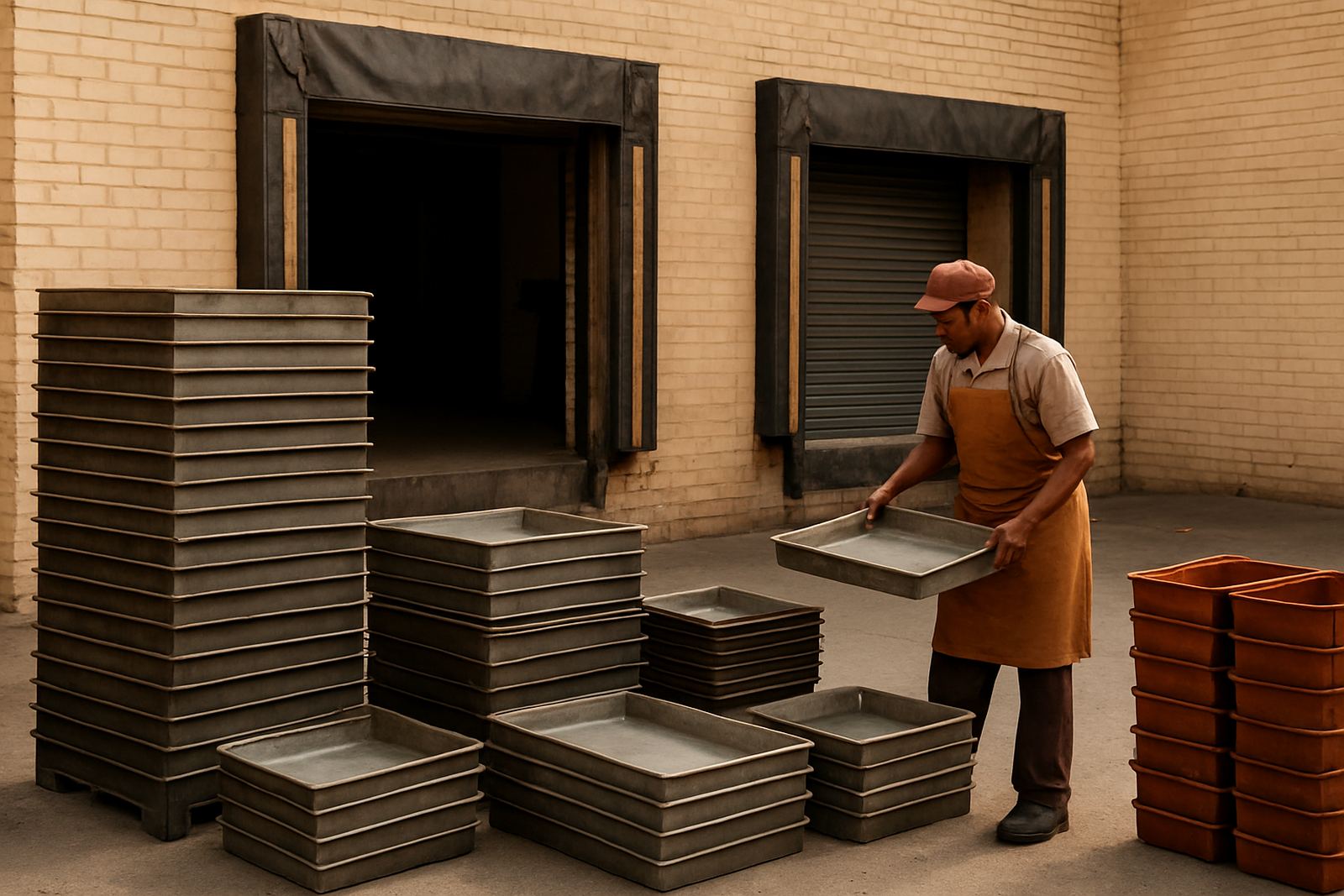
- Cleaner stacking and easier movement through the bakery
- Better control over holiday and weekend order spikes
What We Would Repeat on the Next Order
If we were doing this job again, we would start with a slightly wider capacity check against the client’s busiest weeks, then confirm any growth in product range before fabrication. That extra planning helps if the bakery adds new roll sizes, increases loaf counts or changes the way trays move through the plant.
We would also keep the same simple approach: confirm measurements on site, fabricate to fit the real workflow, and allow enough time for a proper sign-off before dispatch. In bakery work, that practical sequence saves time later. It also helps the client avoid emergency purchases when demand jumps faster than expected.
For bakeries in Ballito, Durban, Pinetown and the wider KZN coast, that kind of planning is often the difference between coping with seasonal pressure and scrambling for extra capacity at short notice. And when load-shedding hits, good tray flow matters even more, because every minute in the plant counts.
Key facts
| Client type | Retail bakery |
|---|---|
| Town | Ballito, KwaZulu-Natal |
| Project | Custom roll tray production |
| Timeline | 4 weeks from confirmation to supply |
| Material | Steel bakery trays |
| Use case | Seasonal volume growth and daily production |
| Supplier base | Westmead, Pinetown |