A proofing tray batch built for a busy Stanger line
The client was a plant bakery in Stanger running daily bread production for local retail and food service orders. Their team needed proofing trays that could move smoothly from make-up to proving racks and then on to the oven without snagging, bending or holding too much dough dust. The existing trays were serviceable but the handling time was creeping up, and that adds pressure when the shift is already tight.
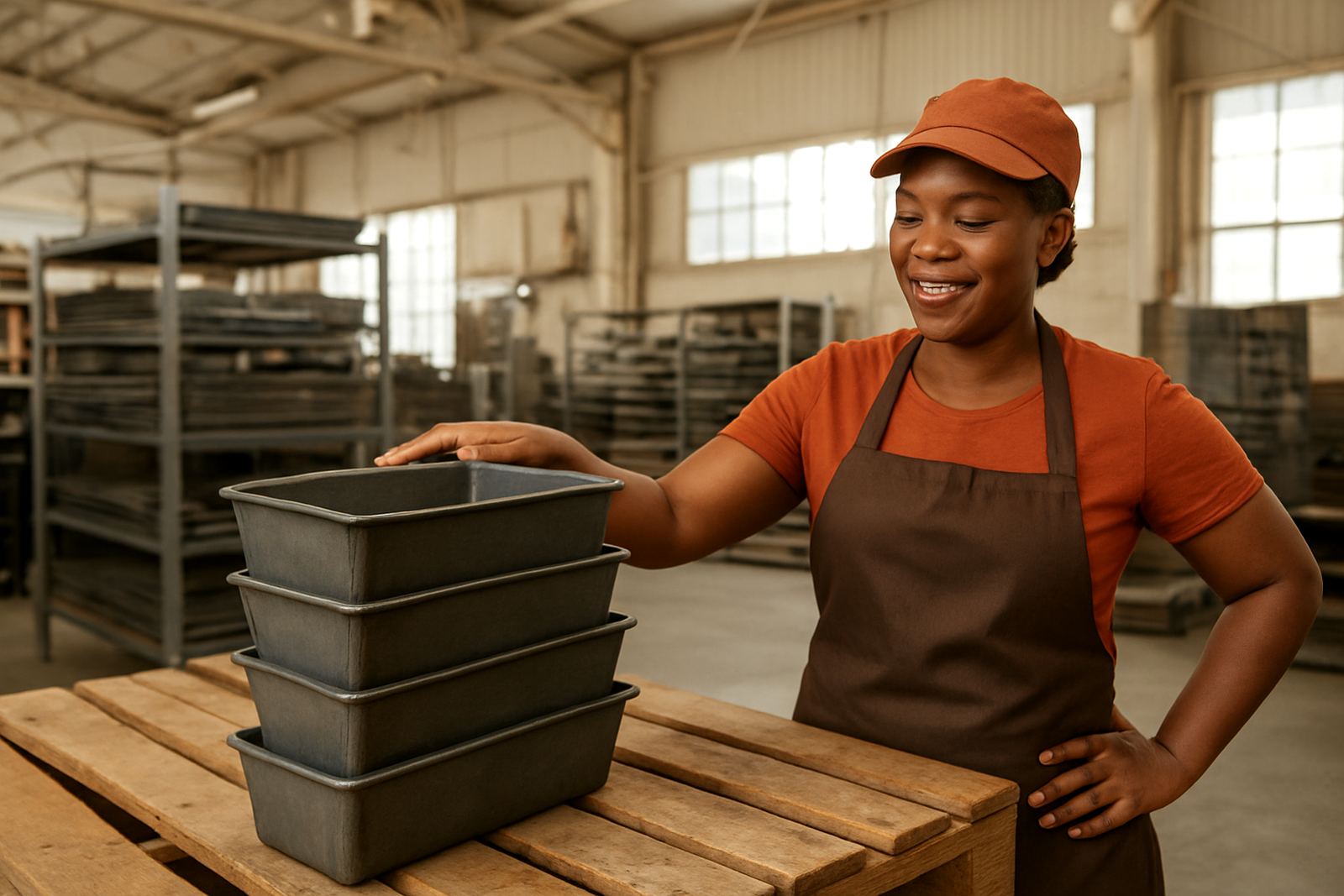
We supplied a new batch of steel proofing trays made for repeated plant use. The work was completed at our Westmead base in Pinetown, then sent to site ready for immediate use. The job was not about fancy changes. It was about making the tray set easier to lift, stack and clean, with a shape and finish that suited a bakery floor where speed matters and staff are moving all day.
What the bakery asked us to solve
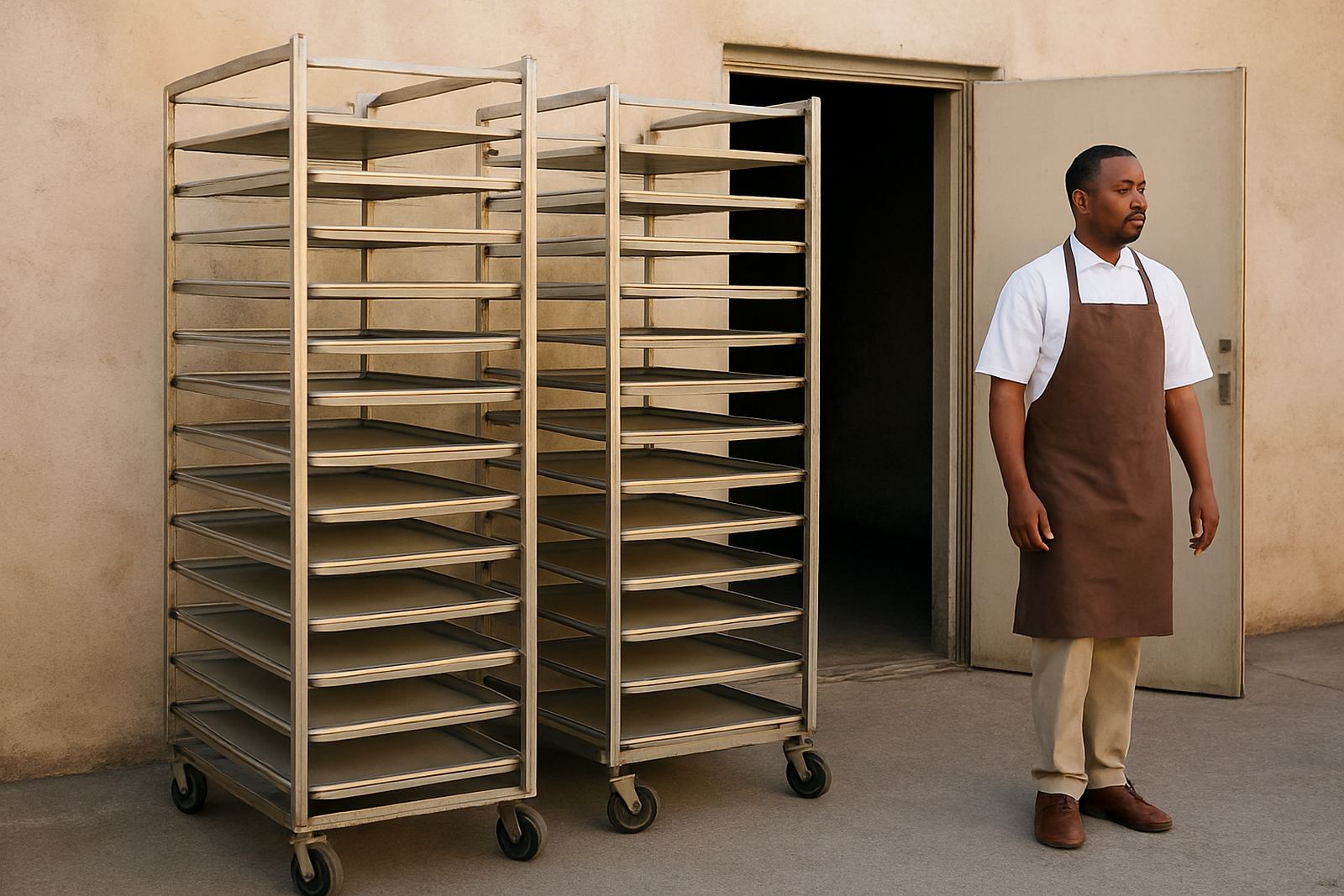
The brief had three main parts. First, the trays had to fit the existing handling system and shelving. Second, they had to support consistent dough proofing without sharp edges or warped bases. Third, they had to stand up to regular washing, warm rooms and the stop start routine that comes with load-shedding backup runs. In a coastal area like Stanger, moisture and salt in the air can also push bare steel to rust quicker if the finish is poor.
We measured the current tray sizes, checked stacking clearance and reviewed how the team moved trays between benches, racks and the oven entry point. We also looked at the places where older trays were failing. In most cases it was corner damage, rim distortion and surface wear from repeated cleaning. That gave us a clear picture of what had to change and what could stay the same.
- Fit existing bakery racks and trolley movement
- Keep dough support even across the tray base
- Reduce snagging during manual handling
- Improve service life in a humid plant environment
Materials, sizes and finish details
The trays were made from steel selected for repeated production use, with attention to flatness, edge finish and simple cleaning. For plant bakeries, the tray has to do more than hold dough. It has to keep its shape after heat exposure, stack properly when wet or warm, and still release cleanly during turnaround. We made the batch to match the client’s operating pattern, not just a generic size off a shelf.
Each tray was checked for base consistency and corner accuracy before dispatch. The finish was kept practical for baking conditions, so the team could wipe down the trays, inspect them quickly and return them to service without extra handling steps. On bakery equipment, small differences matter. A tray that sits 3 mm out can slow a whole stack and lead to wobble in the rack. That was one of the details we watched closely.
- Steel construction for repeat bakehouse use
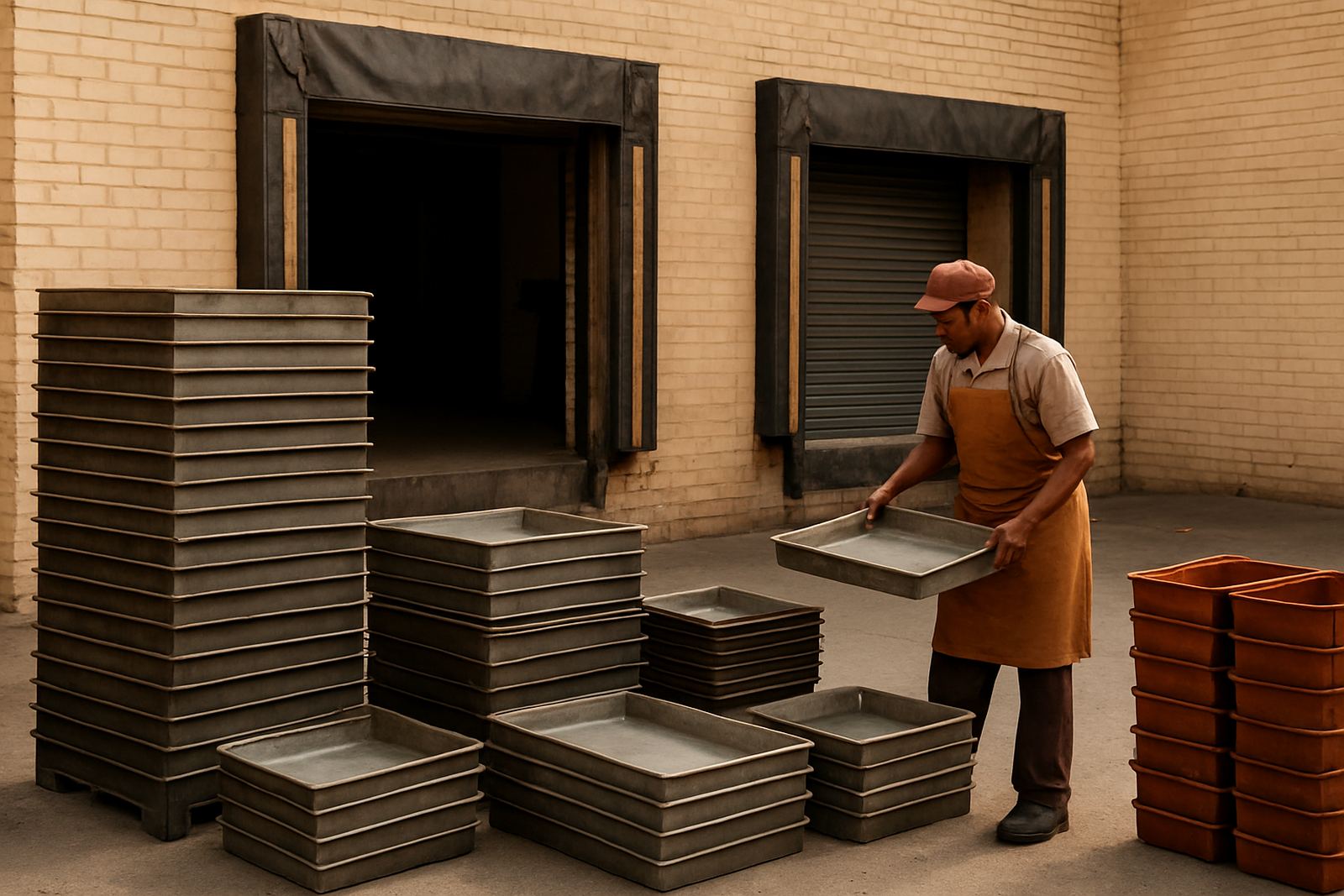
- Matched tray dimensions for stacking and transfer
- Smooth edges to help reduce handling wear
- Built for daily washdown and heat cycling
How we handled the job from Westmead to Stanger
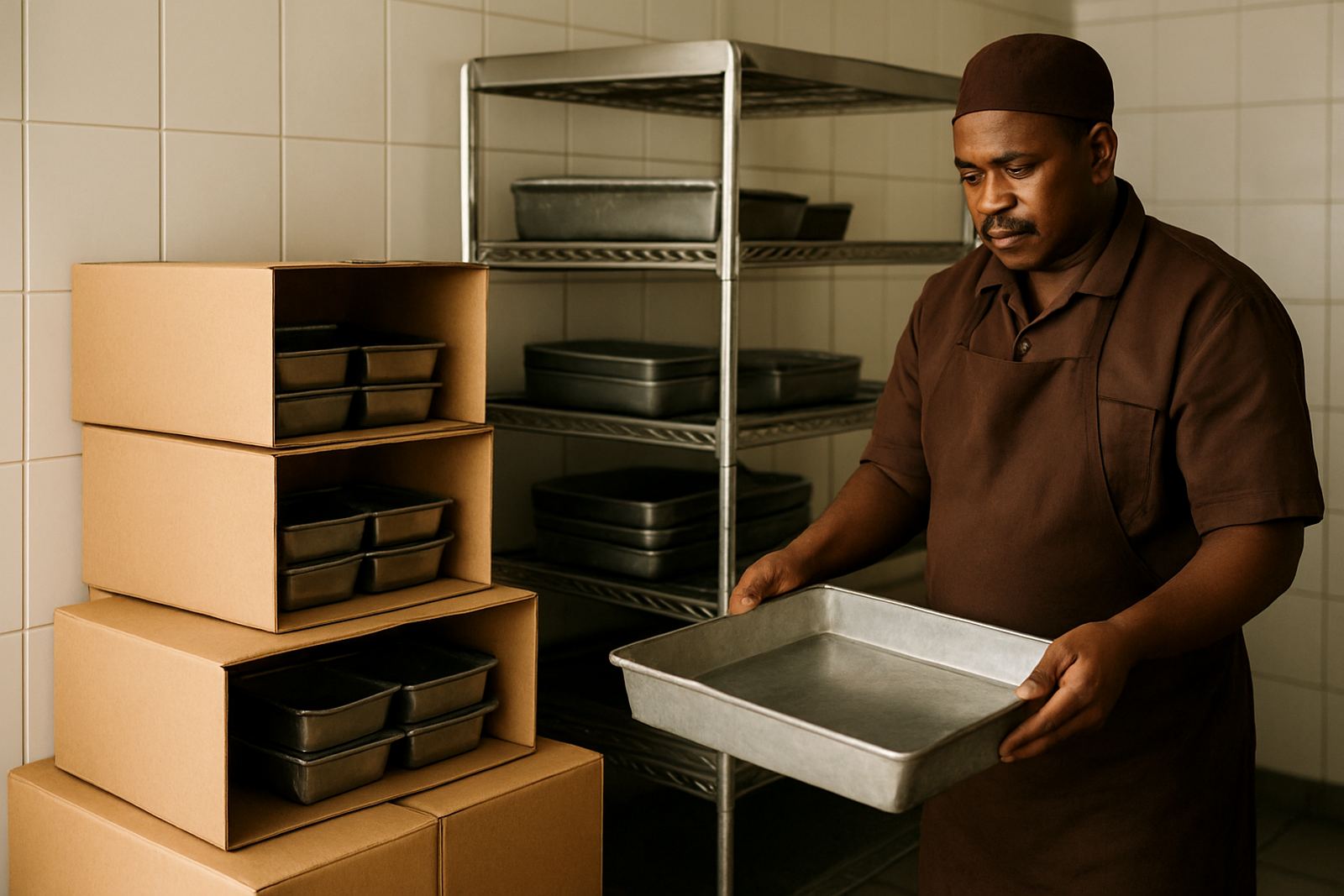
The project ran over three weeks from first enquiry to delivery. Week one covered the measurements, the brief and confirmation of quantities. Week two was fabrication and checking each tray for uniformity. Week three covered final inspection, packing and delivery arrangements. We kept the process straightforward because the bakery needed the trays in service, not sitting in transit.
As this was a production item, the main risk was inconsistency between trays. We controlled that by working from one agreed size set and checking the finished batch against the original samples. Our team in Westmead handled the fabrication under Sibusiso Ntuli, with production coordination from Priscilla Naidoo and fabrication oversight from Johan van Rensburg. That helped keep the batch moving without last minute changes.
The bakery received the trays ready for immediate use. The handover included a quick check on stacking and handling so their team could slot the new batch into the existing line with no disruption.
Results after the trays went into production
The client reported easier movement between the proofing area and oven staging, with fewer tray snags and less handling strain on the bakery floor. The trays stacked better than the worn set they were replacing, which made trolley loading more predictable. That kind of change may sound small, but on a long shift it saves time and reduces the chance of a tray being dropped or bent.
There was also an improvement in cleaning time. Because the trays were made with practical edges and a clean finish, the team could wash and dry them faster before the next run. In a plant bakery, that matters just as much as the bake itself. If trays sit out of rotation too long, the whole schedule starts to slip.
- Cleaner transfer between make-up and oven staging
- Less tray wobble during stacking
- Quicker washdown and return to service
- Reduced wear on corners and rims
What we would repeat on the next tray run
If we were doing the same job again, we would follow the same route: measure the live equipment first, confirm the stack height, and build to the bakery’s handling method rather than forcing a standard size. That keeps the trays working with the plant instead of against it. It also helps when the bakery runs on backup power during load shedding, because any extra delay in handling becomes more noticeable.
For bakeries in Stanger, Durban and the wider KwaZulu-Natal coast, the lesson is simple. Steel trays must be practical, consistent and easy to maintain. Fancy features do not help if a tray rusts early or catches on a rack. A good proofing tray is one that disappears into the workflow and just keeps doing the job. That was the goal here, and it is the approach we would use again for another batch or a full replacement programme.
Key facts
| Project | Stanger Proofing Trays |
|---|---|
| Client type | Plant bakery in Stanger |
| Product type | Steel proofing tray batch |
| Use | Make-up to proving to oven loading |
| Timeline | 3 weeks from brief to delivery |
| Base | Westmead, Pinetown |
| Manufacturer | Bakerite |
| Contact | sales@bakerite.co.za |