Hotel kitchen brief from Umhlanga
The client was a coastal hotel kitchen in Umhlanga, baking pastries for breakfast service, functions and room service. They needed a tray set that would work inside a tight oven chamber, with enough clearance for airflow and no wasted space along the rack edges. The old trays were a mixed lot, some twisted, some with worn corners, and a few that caught on the runners during loading.
The brief was simple in words but fussy in practice: keep the tray format compact, make stacking easy, and get a shape the bakers could use every day without fighting bent corners or uneven heating. Salt air and regular washing had already taken their toll, so corrosion resistance and easy cleaning mattered too.
- Client type: hotel kitchen bakery
- Area: Umhlanga, KwaZulu-Natal
- Use: pastries, breakfast runs, banquet prep
- Problem: compact oven footprint and worn tray stock
What we measured before making anything
We first checked the oven opening, rack spacing, runner depth and the clear space needed for safe handling with oven gloves. In a small kitchen, a few millimetres can make the difference between a tray sliding properly and one that jams halfway in. We also looked at how the staff loaded and unloaded trays, because a good size on paper is no use if it snags on the way out.
The final tray size had to suit the oven floor layout and still leave a sensible gap for hot air circulation. That meant keeping the tray profile low, the corners neat, and the edges stiff enough not to buckle under a full load of pastries. We also checked that the set would stack without sticking together in the dry store.
- Compact footprint matched to the oven chamber
- Clearance allowed for airflow and handling
- Stacking space planned for the store room
- Tray edges set for daily loading and unloading
Tray build and finish for daily bakery use
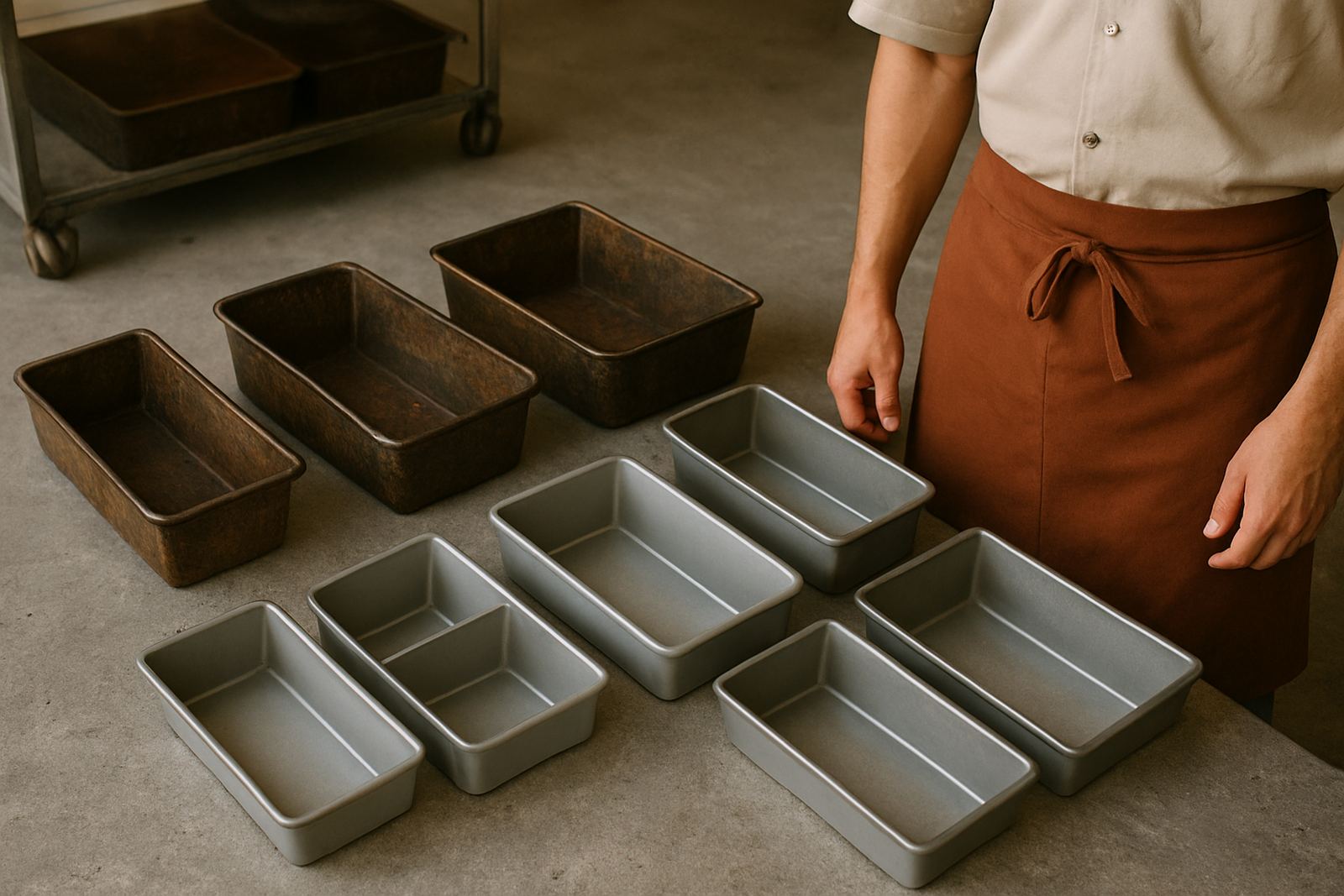
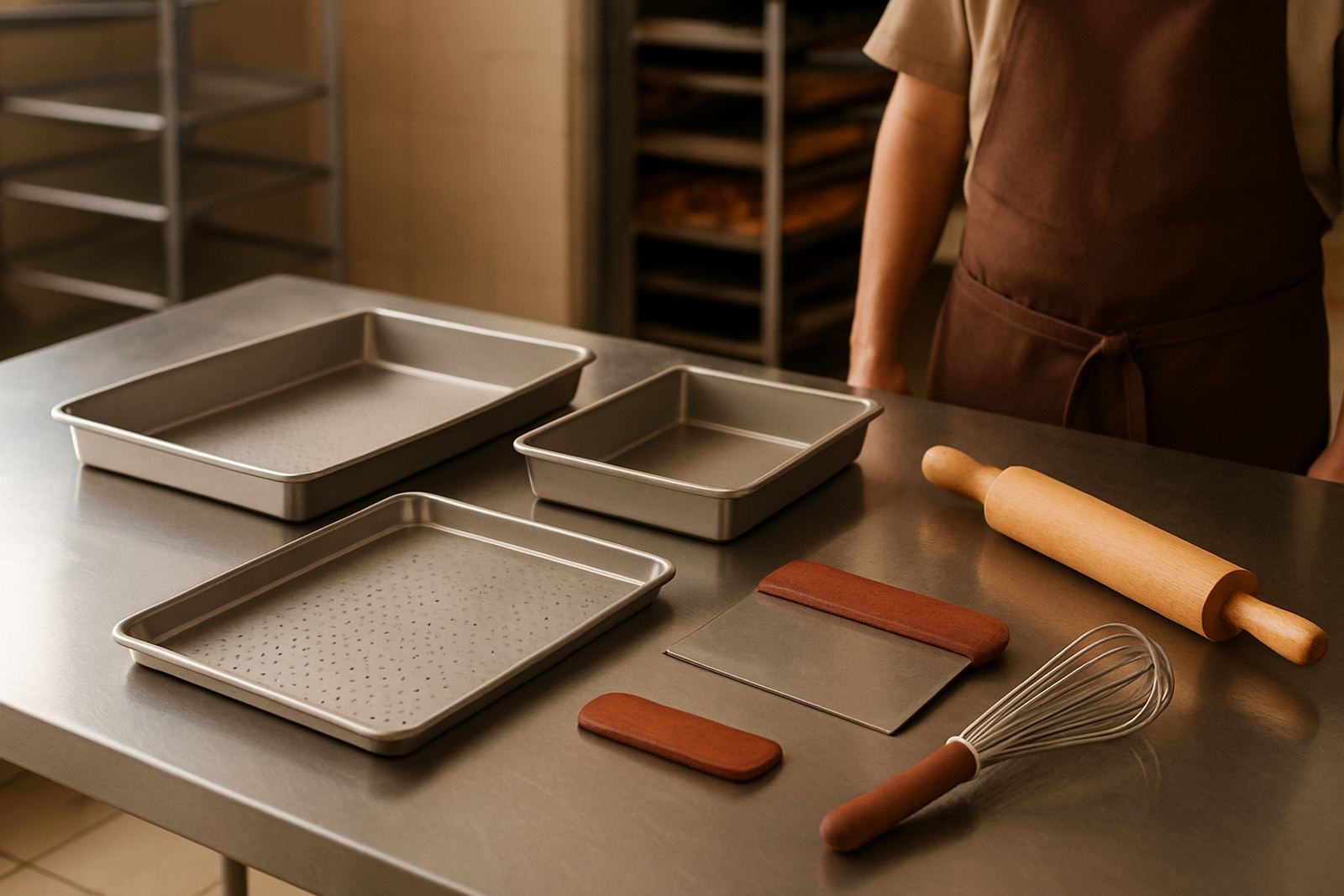
We supplied steel pastry trays made for repeated hotel use, with a flat baking surface and a rigid edge to hold shape under heat. The tray layout was kept uniform so the kitchen could rotate stock across the ovens without sorting by hand every time. For this job, the key point was consistency, not fancy extras.
Because Umhlanga kitchens often deal with humidity and constant washing, we kept the finish practical and easy to wipe down. Where trays are used near the coast, small surface marks and early rust can become a problem fast if the tray is underbuilt. These were made to take that punishment and still stay true. No tray should need babying in a busy service kitchen, that is the whole point.
- Steel pastry trays for daily service
- Flat base for even baking
- Rigid edges to reduce twist
- Made for coastal humidity and frequent cleaning
How the job moved from order to delivery
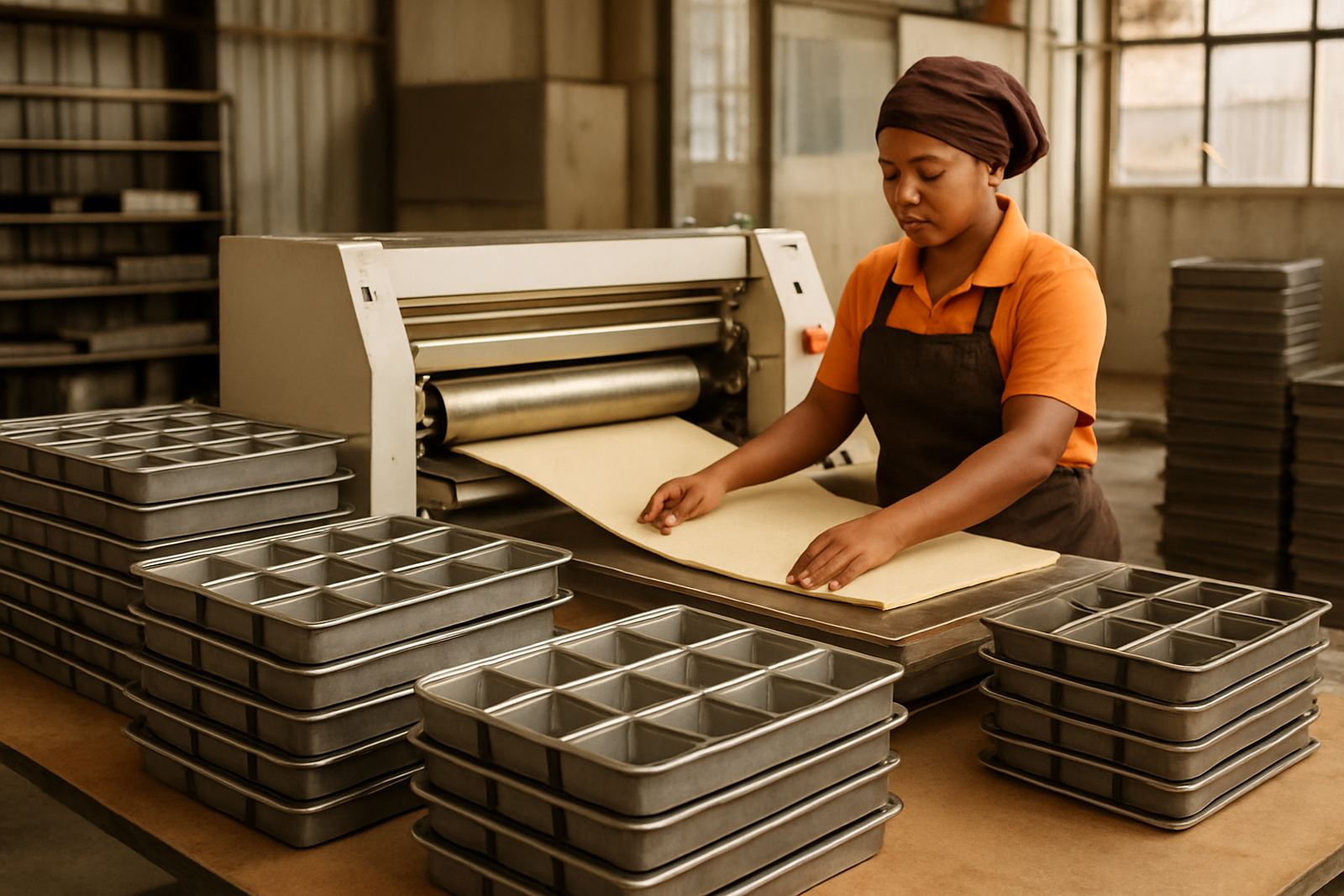
The order was completed over two weeks. Week one was for confirming measurements, tray count, and the exact profile needed for the ovens. Week two was for fabrication, checking the batch, and packing the trays for delivery to the coast. We kept the timetable tight because hotel kitchens work around breakfast, banqueting and late check-outs, so delays can upset the full day.
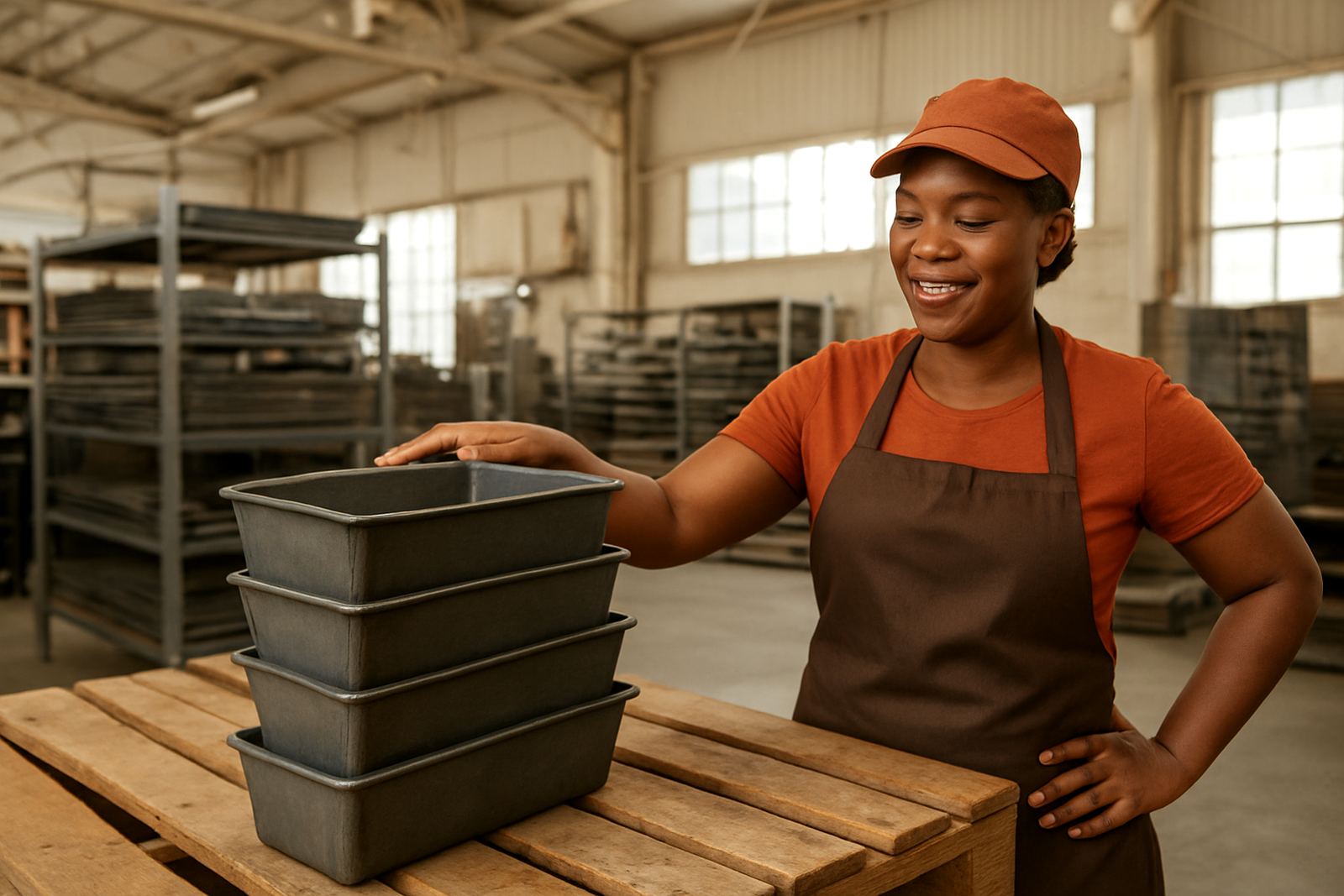
Before dispatch, we checked each tray for flatness, corner alignment and clean edges. A pastry tray that rocks on a bench or catches on a runner causes problems from day one. The hotel wanted a set that could go straight into service, and that is what we aimed for.
- Timeline: 2 weeks total
- Week 1: measure, confirm, sign off
- Week 2: make, inspect and deliver
- Final check: flatness, fit and edge finish
What changed in the kitchen after fitting the new trays
Once the new trays were in use, the kitchen had a better loading pattern and less wasted oven space. The bakers could run more evenly sized batches, which helped with timing during the morning rush. There was less handling trouble too, because the trays sat better on the racks and did not need constant nudging.
That made it easier to keep pastry output steady across busy service periods. The staff also reported simpler cleaning and more orderly storage, which sounds small but matters when the prep table is already full and load-shedding backup planning is on the go. In a hotel kitchen, any saved movement adds up over a long shift.
- Better use of oven space
- More even batch timing
- Less tray movement on the racks
- Cleaner storage and easier handover between shifts
What we would do again on a similar Umhlanga job
If we were doing the same job again, we would keep the same approach: measure first, keep the tray shape plain, and build around the actual oven footprint rather than a guessed standard size. That way the kitchen gets a tray set that works for its own layout, not someone else’s idea of one. It avoids the common mistake of ordering trays that look right but do not suit the oven runners or staff workflow.
For coastal hotel kitchens, we would also continue to pay attention to finish, storage and wash-down habits. Small details like corner strength and straight edges matter more than people expect. A tray that stays true saves time every single day, and that is where the value sits.
- Measure the oven, not the brochure size
- Keep the tray profile simple and service-friendly
- Check stacking and wash-down space before fabrication
- Allow for daily wear from heat, moisture and handling
Key facts
| Project | Umhlanga Pastry Trays |
|---|---|
| Client type | Hotel kitchen bakery |
| Location | Umhlanga, KwaZulu-Natal |
| Supply area | National supply from Westmead, Pinetown |
| Timeline | 2 weeks |
| Scope | Measured, fabricated and supplied pastry trays to suit a compact oven footprint |